Potty training is practice for everyday independence
Parents often think of potty training as a milestone with a deadline, like before starting child care or preschool, or moving—understandably. Child care programs often have toileting expectations, and diapers can feel like the final step before a child enters a new stage of growth.
But it’s not just about staying dry. Learning to use the toilet gives children daily opportunities to notice their bodies, communicate their needs, solve simple problems and care for themselves. These are the same foundational abilities that help children participate in preschool today and approach kindergarten with confidence tomorrow.
How do I know when my child is ready?
Potty Training
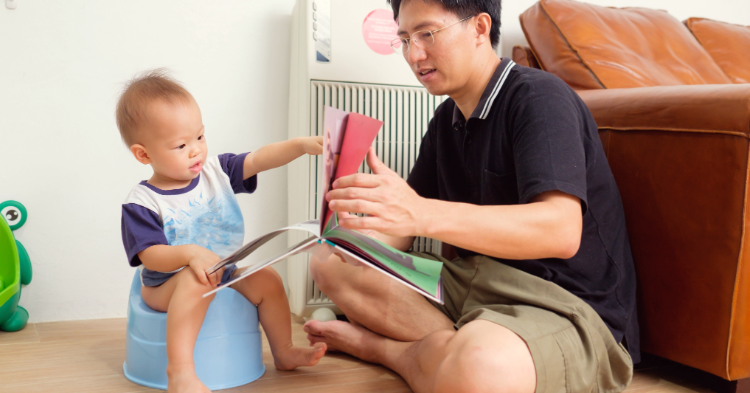
Potty training is a big step for your toddler — and for you. It’s one of those milestones that comes with lots of questions.
Potty training is really about self-help skills
For a young child, using the toilet is more complex than just knowing when to go. Children are learning a combination of physical, cognitive and social-emotional skills, including how to:
- Recognize bodily signals
- Tell an adult they need help
- Pull clothing up and down
- Wash their hands
- Follow a routine
- Recover after an accident
These everyday tasks give children practice caring for themselves, not just in the bathroom, but throughout the school day.
“There’s no one right way to do potty training.” – Dr. Shannon Thompson, pediatrician
Social media might tell you the three-day method is the ultimate solution, but every child is different. “There are kids who potty train quickly. And there are kids for whom three-day potty training is a starting point,” says Ohio-based pediatrician Shannon Thompson. There will be accidents, setbacks and days when your child wants more help than they did yesterday.
That doesn’t mean potty training is failing. Like every developmental skill, independence grows through repetition, encouragement and time. Remember: progress over perfection.
What does potty training have to do with kindergarten?
Kindergarten readiness is often thought of as knowing letters, numbers or colors, but teachers also look for everyday life skills. A child who can recognize their needs, follow simple routines, and ask for help when needed is better prepared to participate in the classroom.
Potty training gives children opportunities to practice these skills every single day. The goal isn’t simply being out of diapers, it’s helping children build confidence in caring for themselves.

Imagine Mateo, a kindergartner. During his first weeks of school, he notices he needs to use the bathroom, asks the teacher for permission, manages his clothing, washes his hands and returns to the classroom ready to learn. Maybe these moments aren’t significant on their own, but together they show a child who can recognize his needs, solve small problems and take part in their classroom community.
Years later, those foundations show up in different ways. A teenager who can organize a project, ask for help when needed or handle a challenge is drawing on the same early abilities built through everyday routines. The tasks change as children grow, but the basics are the same: noticing, trying, adjusting and trusting themselves.
4 ways to support potty training without adding pressure
- Keep routines consistent. Children learn best when bathroom routines happen regularly and predictably. Try a timer game, starting with 15- or 30-minute intervals.
- Let your child do what they can. Support their independence through small tasks, like flushing, washing hands or pulling up their pants. They might be slow or backwards, but that’s part of learning.
- Stay calm after accidents. Accidents are part of learning, and a calm response helps children focus on trying again instead of feeling ashamed.
- Celebrate effort more than success. Praise your little one for listening to their body, asking for help or trying independently—not only for staying dry.

Beyond the potty: building skills for school and life
Each trip to the restroom is a chance to practice communication, routines, problem-solving and self-care. Those aren’t just child care or preschool-readiness skills, they help kids prepare for kindergarten and life. Becoming a capable, confident and resilient learner starts with support and encouragement through the early years.