Positive discipline helps young children learn what to do, not just what not to do. For kids under 5, that means setting clear limits, staying calm and teaching skills over time. After all, children do best when they feel safe, connected and supported.
Not only does it help children learn boundaries at home and in social settings, but it also helps them build emotional skills such as self-control, cooperation and empathy.
What positive discipline means
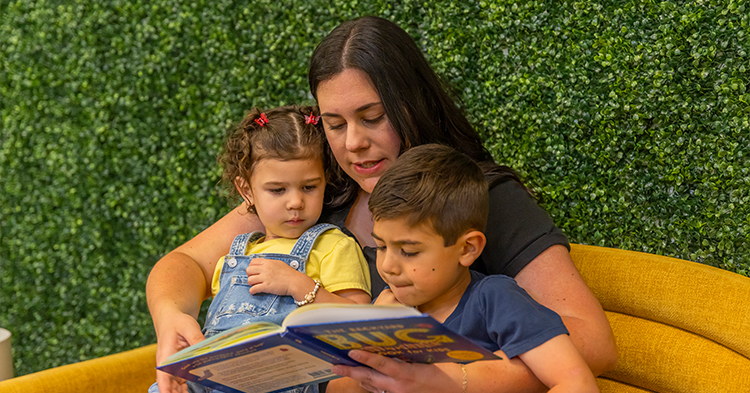
Positive discipline starts with a warm relationship. When children feel close to the adults caring for them, they are more likely to listen, recover from mistakes and learn new behaviors. Praise, encouragement, predictable routines and calm limits all support this process. First Things First’s positive parenting resources also encourage parents to pause, breathe and respond calmly before reacting to behavior.
Instead of thinking, “How do I get my child to stop this?” positive discipline encourages parents to ask, “What is my child trying to learn right now, and how can I help them?”
That shift matters a lot in the early years.
Positive discipline for babies
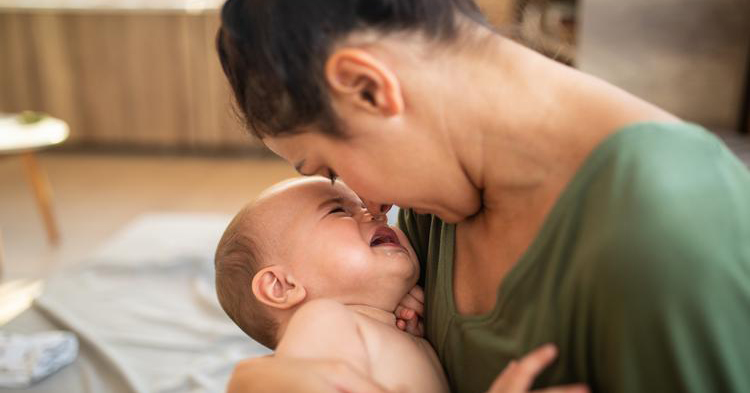
Babies are not ready for discipline in the usual sense. They do not yet understand rules or consequences. Their behavior is how they explore, communicate and connect. If a baby grabs your glasses or pulls your hair, they are not being “bad.” They are learning how the world works.
At this age, the best response is redirection. Move the unsafe object, offer something appropriate and keep your tone calm. Consistency helps, but so does warmth. Babies learn through repetition and loving care, not punishment.
Positive discipline for toddlers
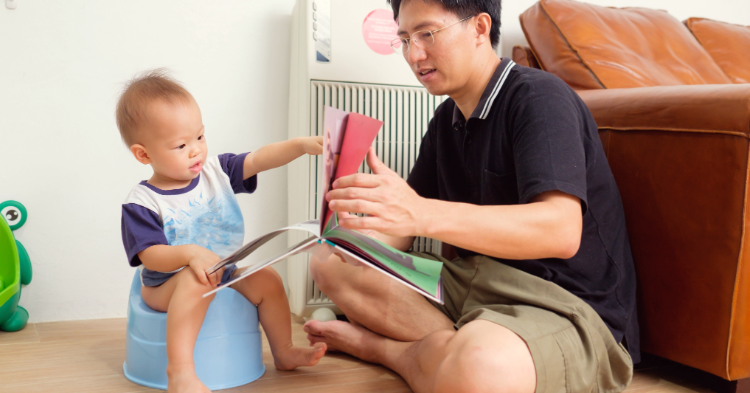
Toddlers are curious, emotional and impulsive. They are just starting to understand simple limits, but they still need lots of help managing frustration, transitions and big feelings. Focus on simple rules, redirection and calm support rather than harsh punishment.
You might be interested in:

Here are a few positive discipline tools that work well for toddlers:
- Redirect. If your child is doing something unsafe or unhelpful, guide them to something else.
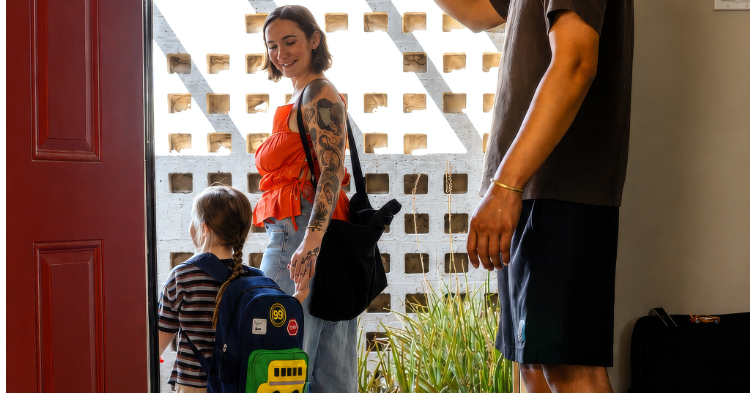
- Use routines. Predictable daily routines help toddlers know what to expect.
- Give transition warnings. A heads-up before leaving the park or cleaning up can reduce meltdowns.
- Praise what you want to see. “You used gentle hands.” “Thank you for helping.”
For many toddlers, a “time-in” can work better than a time-out. Staying close, helping them calm down and naming the feeling can teach more than sending them away alone.
Positive discipline for preschoolers
Around age 3 and up, children can begin to understand simple rules, expectations and consequences more clearly. Preschoolers still need support, but they are more able to practice cooperation, kindness and self-control.
Positive discipline for preschoolers might include:
- Clear family rules. Keep them simple, like “Use kind words” or “Be gentle with others.”
- Natural or logical consequences. If blocks are being thrown, the blocks are put away for a while.
- “Try again.” Give your child a chance to practice the positive behavior.
- Praise and encouragement. Catch them being helpful, patient or gentle.
The goal is not perfection. It is practice.
What positive discipline does not include
Positive discipline does not mean being permissive. You can be warm and still hold clear boundaries. It also does not include spanking, hitting, shaming or yelling. These reactions may stop behavior in the moment, but they do not teach the skills children need in the long term.
When to get extra support
Some challenging behavior is normal in the early years. But if behavior is intense, frequent, lasts a long time or feels hard to manage, extra support can help.
First Things First funds the Birth to Five Helpline, a free service that connects child development specialists with Arizona parents and caregivers to address concerns and next steps.
Smart Support also helps early educators respond to children’s behavioral and emotional needs, and Family Resource Centers offer connection and parenting support in communities across Arizona.
Positive discipline is not about control. It is about teaching. And that learning starts one small moment at a time.