About Managing Big Feelings: This blog is part of the Managing Big Feelings video series, featuring expert insight about hitting, biting, sharing and tantrums from an infant and early childhood mental health specialist, Tiffany Stenson, MC, IMH-E.
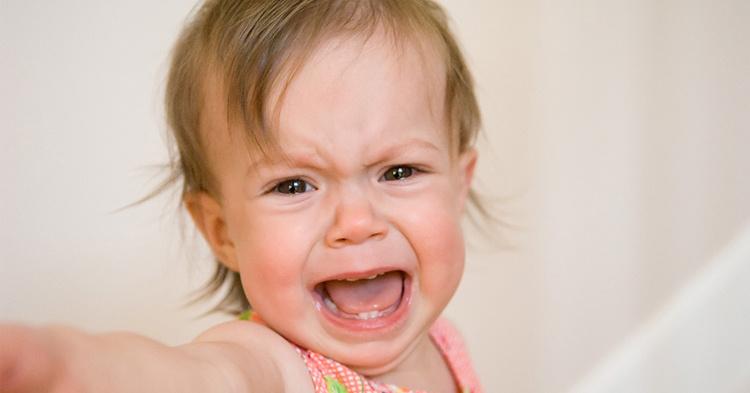
If your toddler has started hitting, you are not alone. Hitting is one of the most common behaviors parents see during the toddler years.
When a young child hits, it can feel shocking or frustrating. You may wonder if something is wrong or worry that the behavior will continue.
The good news is that hitting is often part of normal development. Toddlers are still learning to manage big emotions and interact with others. With guidance and patience, children can learn safer ways to express their feelings.
Positive parenting strategies can help prevent hitting and teach children important emotional skills that will last a lifetime.
Why toddlers hit
Many parents search for answers to the question: “Why does my toddler hit?”
Toddlers hit for several common reasons. Most of the time, it is not about being bad. It is about having big feelings and not knowing how to communicate them.
Young children may hit when they are:
- Feeling frustrated or overwhelmed
- Struggling to communicate their needs
- Tired, hungry or overstimulated
- Trying to get attention quickly
- Learning how social interactions work
At this age, toddlers are still developing language and impulse-control skills. When emotions rise quickly, their bodies may react before they have time to think.
Understanding the reason behind the behavior can help parents respond calmly and supportively.
How to stop a toddler from hitting
Rather than focusing on stopping the hitting, focus on correcting the behavior in the moment. It is about teaching children healthy skills they can use instead.
These positive parenting strategies can help reduce hitting over time. And most importantly, your response teaches your child how to handle strong emotions.
If hitting happens, keep your message simple and calm. “Hitting hurts. I can’t let you hit.”
Then redirect your child toward a safer behavior. Consistency helps children understand boundaries while still feeling supported.
Teaching empathy and kindness
When children are calm, it can help to talk about how their actions affected others.
You might say, “That hurt your friend. Let’s check if they’re okay.”
Moments like this help children begin to develop empathy and understand that their actions matter. Over time, these conversations help toddlers learn how to build healthy relationships.
“Just like we want the children to learn through empathy, we need to have self-empathy and compassion for ourselves. It not only helps us in the moment, but it teaches and models for that child.”
— Tiffany Stenson, MC, IMH-E, Infant and Early Childhood Mental Health Specialist
Teach words for feelings
Toddlers often hit because they do not have the words to explain what they feel.
Help your child label their emotions by saying things like:
- “That was hard.”
- “Your body needs to rest.”
- “Say stop if you’re feeling upset.”
When children learn the language of emotions, they are more likely to express their feelings with words rather than actions.
Watch for early signs of frustration
Many toddlers show warning signs before they hit. They might tense their body, yell, grab toys or push. If you notice these signals, step in early and help your child calm down or change activities before the situation escalates.
You can model safe responses by suggesting things like:
- Stomping feet or dancing
- Taking deep breaths
- Hit soft pillows or cushions
- Ripping paper or scribbling hard
Over time, children begin to replace hitting with these safer behaviors.