About Baby Proof: Baby Proof is a blog series that breaks down the latest child development research into simple, helpful tips for parents of young children. We translate big studies into bite-sized advice—so you can feel confident knowing what’s best for your baby, backed by science.
Scientists from the Universities of Bristol and Oxford recently found that around 16 months is a key moment when toddlers begin rapidly developing cognitive skills known as executive functions. These are the mental skills that help children pay attention, manage emotions, remember instructions and control their behavior.
At the same time, other researchers studying infant brain development discovered that even earlier brain connections—as young as 3 months old—may influence how babies learn to handle emotions and soothe themselves.
The takeaway for parents? The early months of life play a powerful role in shaping how children think, learn and respond to the world.
You might be interested in:

What the research found
In one study of infant-caregiver pairs, scientists found that brain structure at just 3 months old could predict changes in emotional behavior by 9 months. Some infants showed patterns linked to stronger self-soothing skills and positive emotions, while others showed signs of greater emotional sensitivity.
Another study suggests that around 16 months is when toddlers begin rapidly strengthening executive function skills. These skills help children pause before acting, focus on tasks and adjust their behavior when situations change.
While these abilities continue to develop throughout childhood, the first two years lay the foundation.
Why the first two years matter
During infancy and early toddlerhood, the brain is growing incredibly fast. Millions of neural connections are forming every second.
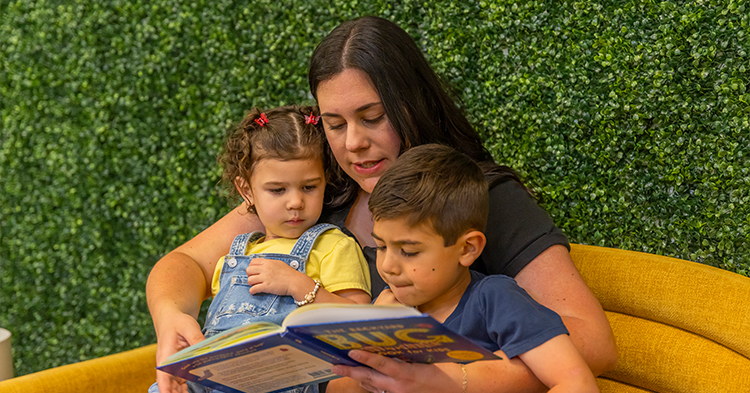
These connections are strengthened through everyday experiences with caregivers. When parents respond to their child, talk with them, and play together, they help build the brain systems that support learning and emotional regulation.
This is why experts often say that relationships are one of the most powerful brain builders in early childhood.
What parents can do to support development
The good news is that supporting your baby’s brain development does not require special tools or programs. Simple, everyday moments make the biggest difference.
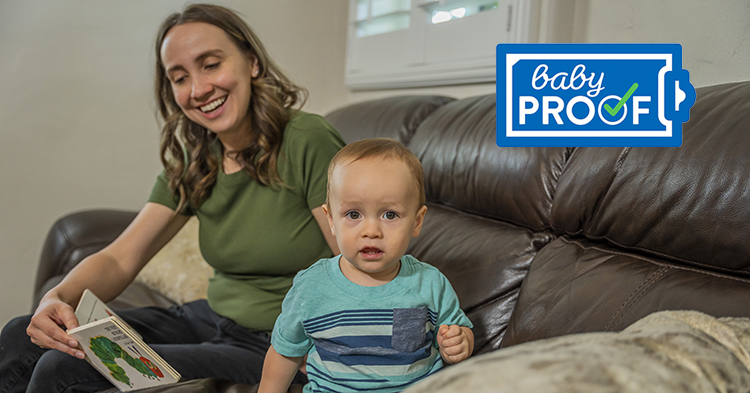
- Talk with your baby. Even before children can speak, hearing language helps build brain connections that support communication and learning.
- Follow your child’s curiosity. When your baby points, explores or looks at something with interest, joining that moment supports attention and cognitive development.
- Play together. Games like stacking blocks, rolling a ball or pretending with toys help toddlers practice memory, attention and problem-solving.
- Create predictable routines. Consistent routines help young children feel safe and support emotional regulation.
The bottom line
Brain development begins earlier than many parents realize. Research shows that the experiences babies have during the first months and years of life help shape the brain systems that support learning, emotions and relationships.
But parents don’t need to be perfect. What matters most is being present, responsive and connected. Talking, playing and spending time together are some of the most powerful ways to support your child’s growing brain.