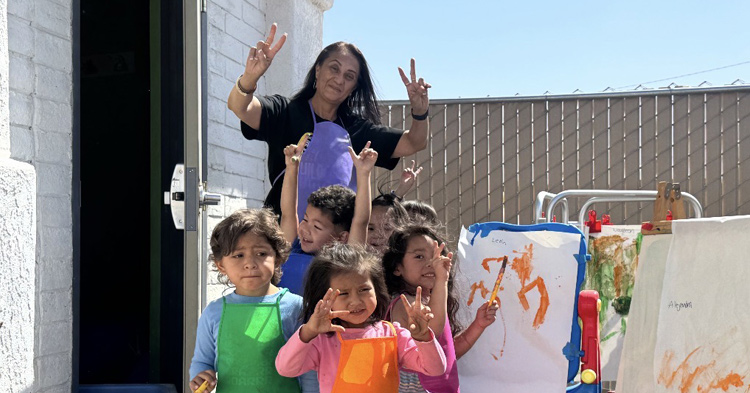
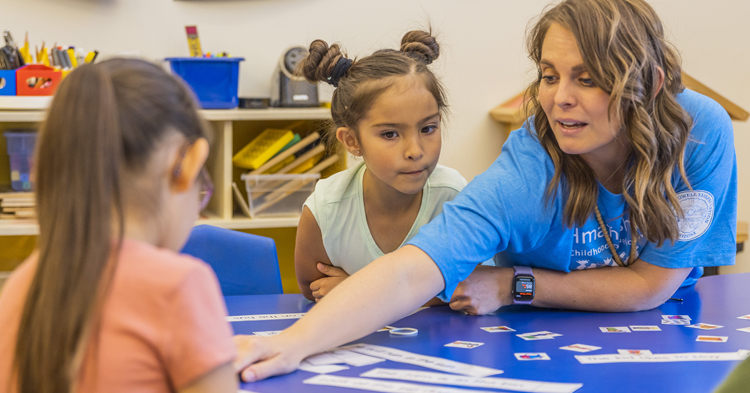
Picture this: Parents dropping off their children at safe, reliable child care before heading to work. Children spend their day building school readiness skills alongside their peers. Businesses are filling open positions because more parents are able to participate in the workforce.
Now imagine every Arizona family being able to send their children to reliable, affordable child care without financial hardship. They no longer have to choose between earning a paycheck and caring for their children.
It may seem like an ambitious vision, but it’s achievable.
Current Arizona landscape
An estimated 300,000 Arizona children have the potential need for child care, but there are only 250,000 licensed child care slots available statewide. That leaves a gap of nearly 50,000 children, which is nearly a 17% gap in the state’s potential child care needs. These children may not have access to licensed child care within a reasonable distance of their home.
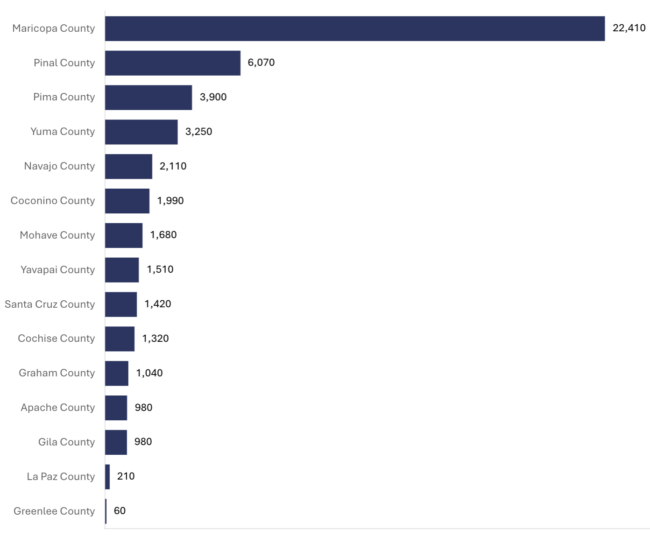
The numbers only tell part of the story.
Each unavailable child care slot represents a family making difficult decisions. When parents can’t find child care, they may delay returning to work, reduce their hours, turn down promotions or leave the workforce altogether. For employers, those challenges mean a smaller talent pool, higher absenteeism, increased turnover and difficulty filling open positions.
Availability is also limited as child care providers face rising operating costs, workforce shortages and thin operating margins that make expansion difficult.
What will it take?
Completely reducing Arizona’s child care gap won’t happen overnight. There isn’t a single solution or one-size-fits-all approach.
“Increasing access will require a concerted effort among policymakers, employers, child care providers and the community,” said Sarah Richardson, FTF’s director of strategic initiatives. “Addressing the gap means understanding both the supply and demand for child care, while also identifying sustainable funding opportunities that will make long-term growth possible.”
For nearly 20 years, First Things First, Arizona’s early childhood agency, has invested in strategies that strengthen the early childhood system. This includes supporting working families and helping communities and employers address child care challenges to build a stronger workforce for Arizona’s future.
Stronger families
“With the knowledge of having access to affordable, reliable child care, parents can more easily participate fully in the workforce. Instead of limiting their careers because of child care challenges,” Richardson said. “Parents can pursue full-time employment, accept promotions, advance professionally and build greater financial stability.”
Closing Arizona’s child care gap could significantly boost the economy, according to the Common Sense Institute, a non-partisan research organization dedicated to protecting and promoting the economy. Eliminating this gap could add approximately 50,000 new workers into the labor force, increase the size of Arizona’s economy by up to 5% and bring in up to $669 million per year in new state tax revenues, according to a recent report from the organization. In 5 years, this potentially generates:
- 132,000 new jobs
- $17.5 billion in state Gross Domestic Product
- $13+ billion in new personal income
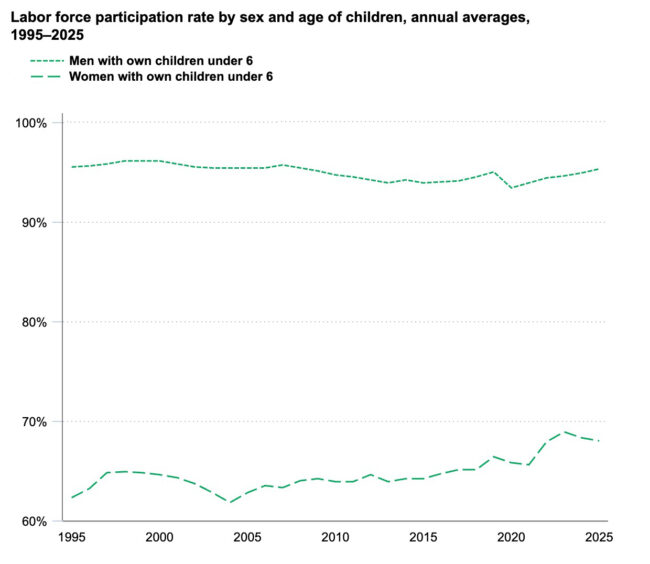
In Arizona, the median household income is approximately $77,000, and greater access to child care can help families increase their income and maintain financial stability. Reliable child care allows for more mothers to participate in the workforce. Nationally, labor participation among mothers with children under age 6 trails fathers by nearly 30%, according to the U.S. Bureau of Labor Statistics, highlighting that child care plays an important role in workforce participation.
A stronger Arizona
The benefits don’t stop with children and families. Businesses will have access to a larger talent pool when more parents are able to participate in the workforce. When the workforce grows, businesses have an easier time filling open positions, reducing turnover and improving productivity. Families earn more, spend more and contribute more to state and local tax revenue. Research has found that every $1 invested in high-quality early childhood programs can generate up to $16 in long-term economic returns through increased earnings, improved educational outcomes and reduced public spending. In Arizona alone, closing the child care gap could generate an estimated $3.8 billion in economic growth over the next decade.
Funding the future
Expanding access will require a mix of public and private investment. This may include state and federal funding, local initiatives, employer-supported child care, and public-private partnerships.
“First Things First is working in partnership with other state agencies, local municipalities and community organizations to find local solutions that best meet the needs of each unique community in Arizona,” Richardson said. “Some recent accomplishments include advocating for an increased budget with the City of Phoenix for early childhood programs, support of a business accelerator program with the Better Business Bureau and a sponsorship with the Arizona Association for Economic Development to create resources to help economic development professionals.”
In Arizona, investments were made at county and city levels:
- The City of Phoenix approved $5 million for child care affordability, helping families access and maintain quality child care.
- Tempe PRE provides free or half-tuition preschool to eligible families with 3- and 4-year-old children.
- In Pima County, Pima Early Education Program Scholarships (PEEPs) provide free preschool scholarships to eligible families with 3- and 4-year-old children.
- In northern Arizona, Flagstaff Elevate PreK recently finished its 4-year pilot program, which provided free tuition to 4-year-old children who were not in preschool.
Other states have explored and implemented new approaches to address similar challenges:
- New Mexico expanded eligibility for child care assistance by combining federal funding with recurring revenue from its Land Grant Permanent Fund.
- Vermont implemented a dedicated payroll tax to help expand access to child care, strengthening the early childhood workforce and increasing affordability.
- New York invested in local, state and federal funding to expand child care assistance for eligible families.
- In California, San Francisco uses a voter-approved commercial rent tax to fund child care and early education subsidies.
Growing child care capacity and workforce
Meeting the demand for child care starts with increasing the availability of child care slots. One of the most effective ways to do that is by supporting existing child care providers, so they have the resources to remain open, grow their reach and serve more families. Sustainable business models allow providers to expand enrollment, expand business hours, upgrade facilities and offer competitive wages that help recruit and retain qualified early childhood educators.
Arizona can also encourage new providers to open child care programs by examining opportunities to streamline and simplify the process without compromising safety or quality standards, such as making licensing cheaper. Entrepreneurs and businesses can also leverage state and federal tax incentives, grants and other financing opportunities to help offset startup and infrastructure costs.
Helping families access care
Expanding access to child care creates new opportunities for families. Sustainable funding options can help expand access through scholarships and child care assistance that will allow more families to choose the care that best meets their needs. First Things First provides businesses with an Arizona Employer Child Care Toolkit that describes family-friendly policies, such as child care benefits or flexible scheduling, that can further support parents as they balance work and family responsibilities.
“When families have access to affordable, reliable child care, everyone benefits. Parents have greater opportunities to pursue careers, increase their earning potential and contribute to Arizona’s workforce. Children will be in safe, nurturing environments where they can learn and grow, to become the workforce of the future.”
— Sarah Richardson
Imagining an Arizona without a child care gap isn’t just about expanding access to child care. It’s about building an Arizona where every child gets a strong start, every family has the opportunity to thrive and every business can find the workforce it needs. That’s certainly a future worth investing in.